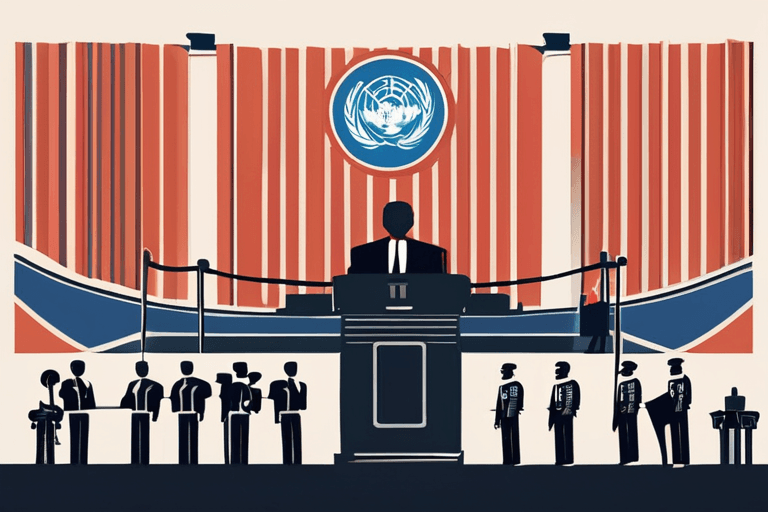
The United States' pledge of $2 billion in aid to the UN humanitarian system comes with strings attached that could fundamentally reshape the global aid landscape, potentially forcing the UN to align more closely with Washington's political priorities. Experts suggest the "adapt, shrink or die" approach demanded by the US could lead to a less flexible and more politically driven aid distribution model.
The $2 billion commitment, announced this week, follows a year of significant aid budget reductions from both the US and European nations. While the new funding offers some respite to the humanitarian sector, concerns are mounting over the conditions imposed by the US regarding the management and allocation of these funds. Specifically, the US State Department's selection of 17 priority countries excludes Afghanistan and Yemen, raising questions about the criteria used and the potential impact on those nations.
This development arrives at a time when the global aid market is already under pressure. Reduced funding from traditional donors, coupled with increasing humanitarian needs driven by conflict, climate change, and economic instability, are creating a challenging environment for aid organizations. The US's conditions could further exacerbate these challenges by limiting the UN's autonomy and potentially diverting resources away from areas with the greatest need but less political alignment with US interests.
The UN humanitarian system has historically operated with a degree of independence, allowing it to respond to crises based on assessed needs and humanitarian principles. However, the US, under Jeremy Lewin, who oversees US aid, is increasingly favoring investment-driven approaches that align with US interests over traditional aid handouts. This shift reflects a broader trend towards prioritizing strategic partnerships and economic development within US foreign policy.
Looking ahead, the UN faces a critical decision: adapt to the US's demands and risk compromising its independence, or resist and potentially face further funding cuts. The outcome will likely determine the future of the global aid system and the UN's role within it. The situation also highlights the growing influence of individual donor nations in shaping humanitarian responses, raising concerns about the potential for politicization and the erosion of needs-based aid allocation.











Discussion
Join the conversation
Be the first to comment